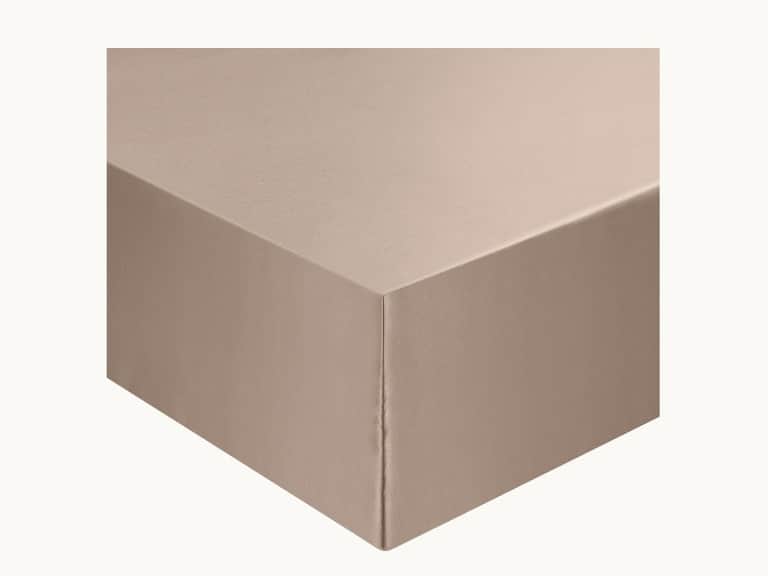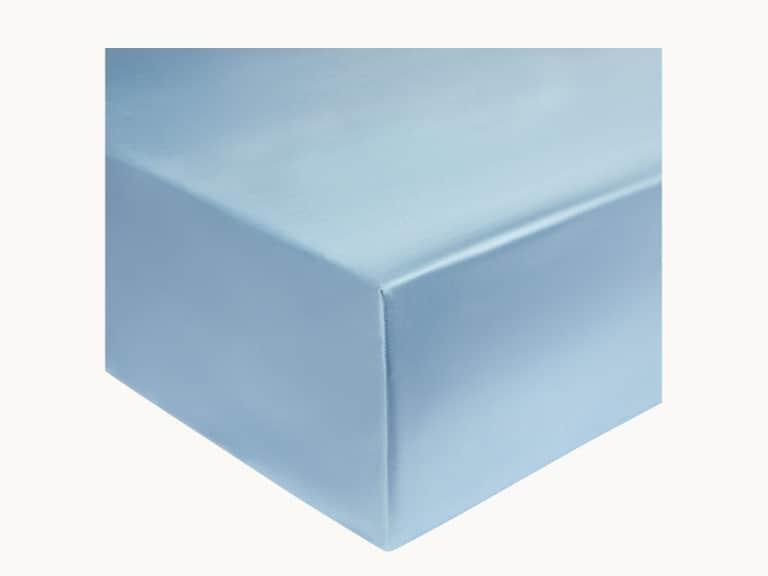
Summerhill Blue Silk Fitted Sheet

A Practical Guide to Choosing Silk Bedding for Sensitive Skin

Explore how silk bedding benefits sensitive skin, including hypoallergenic properties and temperature regulation. This guide helps you compare popular silk options from Gingerlily and Mulberry West to find comfortable, irritation-free sleep.

Why silk can be kinder to sensitive skin

Silk is a natural protein fiber with a smooth, low-friction surface. Its delicate filaments glide across the skin and hair, reducing mechanical irritation that often accompanies cotton or synthetic fabrics. The silk’s tightly woven structure helps retain moisture in the skin rather than drawing it away, which can support barrier function for those with sensitive or reactive skin.

Beyond tactile comfort, silk’s hypoallergenic reputation rests on a combination of factors: its natural insect-repellent properties, minimal propensity to harbor common allergens, and the absence of harsh chemical finishes when responsibly produced. Bedding crafted from high-quality mulberry silk — such as 19 to 22 momme weights — tends to offer a durable, long-lasting surface that remains comfortable after many cycles of washing.

Care and durability: how to keep silk softness

To preserve silk’s unique properties, gentle handling matters. Look for products that specify delicate-cycle washing and air drying. Avoid high heat during drying and ironing; when needed, use a cool setting to restore smoothness without risking fabric damage.

Care labels matter: silk designed for bedding, especially with momme weights in the 19–22 range, balances softness with strength. Materials and finishes should emphasize purity (100% mulberry silk where stated) and minimal chemical-processing to maintain hypoallergenic potential over time.

Product spotlight: Summerhill Blue Silk Fitted Sheet

The Summerhill Blue Silk Fitted Sheet embodies the practical luxe of silk bedding. Weighing 22 momme, this fitted sheet brings a robust hand and lasting sheen to your sleep surface. The moody blue hue offers a serene base that pairs easily with other pieces in a white, ivory, or Mocha palette. Silk’s moisture-regulating properties help skin and hair maintain balance through night-time temperature fluctuations, a benefit many with sensitive skin report appreciating.

  • Material: 100% mulberry silk
  • Silk weight: 22 momme
  • Pocket depth: 35 cm
  • Care: delicate cycle washing, air dry, cool iron
Summerhill Blue Silk Fitted Sheet in 22 momme with a rich blue hue

Fern Vine Silk Duvet Cover: a calm, breathable luxury

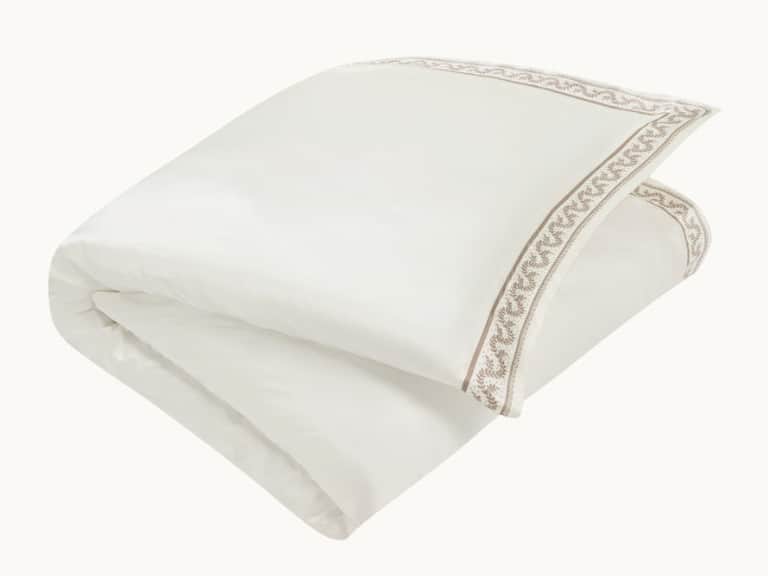
The Fern Vine duvet cover, 100% mulberry silk with a mocha-trimmed ivory base, offers a refined balance of sheen and drape. The 19 momme weight yields a substantial, breathable layer that sits elegantly on the bed while staying gentle on skin and hair. Its envelope closure helps keep the duvet neatly in place, reducing turbulence at night and supporting a stable sleep surface for sensitive sleepers.

  • Material: 100% mulberry silk
  • Weight: 19 momme
  • Closure: envelope
  • Finish: subtle sheen; ivory base with mocha trim
Fern Vine Silk Duvet Cover on a neatly made bed with ivory and mocha tones

Mocha Silk Fitted Sheet: depth, texture, and secure fit

The Mocha Silk Fitted Sheet markets a luxurious depth of color while offering a secure elasticized edge to keep it neatly in place. With a 22 momme weight, it provides a robust texture that remains soft against the skin and hair. Silk’s natural breathability supports temperature regulation, reducing the likelihood of hot spots or clamminess that can disturb sensitive sleepers.

  • Material: 100% mulberry silk
  • Weight: 22 momme
  • Care: delicate cycle; air dry; cool iron
Mocha Silk Fitted Sheet shown on a neatly made bed with complementary textiles

How to choose silk bedding by skin type and climate

For sensitive skin, prioritize purity and a longer fiber length. Mulberry silk sheets and pillowcases with higher momme weights tend to offer greater sheen, strength, and durability, while maintaining the smooth surface that minimizes friction on the skin and hair. Consider climate: in drier environments, silk’s gentle moisture management can counteract dryness; in humid climates, its breathability helps keep dampness at bay.

Practical decision points include: weight (mommes), weave quality, closure types (envelope vs button), and the ease of care. A duvet cover with a simple envelope closure can reduce snagging, while a fitted sheet with a deeper pocket depth helps ensure a secure fit on thicker mattresses. Where possible, compare two or three textures to identify the one that feels most comfortable during sleep cycles.

Three key figures from different epochs shaping silk narratives

Silk’s story is not merely a fabric story; it’s a human story spanning centuries and continents. Here are three pivotal figures whose work and curiosity helped shape how we understand silk bedding today:

  • Empress Leizu (Liu Zaishi) – Ancient China, ca. 27th century BCE
    Leizu is traditionally credited with discovery of silk cocoon processing. According to legend, she observed silkworms spinning cocoons and developed the cocoon-to-fabric process that laid the groundwork for sericulture as a robust industry. Her early inquiries into the life cycle of silkworms and the value of mulberry leaves as a sustenance for silk production helped seed a trade that would eventually connect East and West. Her influence persists in the careful cultivation of mulberry trees and the ethical stewardship of raw silk fibers.
  • Marco Polo – 13th-century explorer, Silk Road chronicler
    Polo’s accounts popularized silk’s prestige across continents. He chronicled the luxury of Silk Road fabrics, describing the trade networks that carried mulberry silk from China toward Europe. While not a direct textile designer, Polo’s narratives helped cultivate demand, inspiring European weavers to experiment with silk finishes and loomtech that would evolve into modern silk bedding aesthetics.
  • Modern textile scientist Dr. Elena Rossi – 21st century, materials science
    Rossi’s research into natural fibers and sustainable production has helped illuminate how silk can be produced with fewer environmental impacts and improved durability. Her work on downgrading waste, optimizing fiber length, and sustainable degumming processes informs today’s sustainable silk products. In journals and industry conferences, Rossi has helped shift consumer expectations toward traceability, ethical sourcing, and responsible care guidelines for silk textiles.

Cited perspectives: where ethics and science meet

As you explore silk bedding, consider sources that emphasize holistically sourced mulberry silk and transparent supply chains. Look for certifications (e.g., OEKO-TEX Standard 100) and explicit care guidelines that help maintain hypoallergenic properties. Ethical partners like Gingerlily and Mulberry West demonstrate how brands can foreground fiber purity, manufacturing integrity, and consumer education while delivering luxurious sleep experiences.

In the spirit of a rapid, reliable guide, the emphasis remains on three pillars: fiber quality (mommes and long-strand silk), responsible production practices, and practical care routines that sustain softness and safety for sensitive skin.


Takeaway: choosing silk bedding for sensitive skin

Silk bedding offers a unique combination of comfort, health benefits, and longevity when chosen with care. For sensitive skin, prioritize 100% mulberry silk with higher momme weights for durability and a smoother texture. Compare flat sheets, fitted sheets, and pillowcases from reputable brands such as Gingerlily and Mulberry West to find textures and weights that feel best against your skin.

Key considerations include allergy-friendly finishes, temperature regulation, care instructions, and the overall harmony of your bedding palette. Silk’s natural sheen and drape enable elegant styling while supporting a hypoallergenic sleep environment. The right set of silk sheets and cases can transform nightly rest into a consistently irritation-free ritual.

Try-list: how to assemble a silk bedding set

To begin, consider pairing the Summerhill Blue Silk Fitted Sheet with a Fern Vine Silk Duvet Cover for a cohesive, breathable look. Add Mocha Silk Fitted Sheet or Silver Grey Silk Flat Sheet to test how different textures respond to your room’s lighting and climate. For pillow comfort, explore a Silk Pillow With Cotton Shell or a 100% mulberry silk pillowcase in Ivory or Silver Grey to minimize friction and support skin and hair health.

Summerhill Blue Silk Fitted Sheet

22 momme, 100% mulberry silk; secure elasticized edge; deep pocket for thicker mattresses.

Care: delicate wash, air dry, cool iron. Price: $695.00

Fern Vine Silk Duvet Cover

19 momme, ivory base with mocha trim; envelope closure for secure fit.

Care: delicate wash, air dry. Price: $935.00

Note: This article references product details and guidance from Gingerlily and similar premium silk bedding lines. Always verify current specifications and care instructions before purchase.

Related Products

Summerhill Blue Silk Fitted Sheet

Gingerlily

Summerhill Blue Silk Fitted Sheet

Sleep cooler and smoother with pure Mulberry silk—hypoallergenic, keeps skin and hair hydrated, and feels luxuriously soft. Fits snugly on your mattress with easy care and lasting sheen for effortless nightly pampering.
Fern Vine Silk Duvet Cover

Gingerlily

Fern Vine Silk Duvet Cover

Luxuriate in silk-soft nights with breathable 19-momme mulberry silk, gentle on skin and hair, while the mocha-trimmed ivory design adds calm elegance; an easy-care envelope closure keeps sheets neat and inviting, for effortless, soothing sleep.
Mocha Silk Fitted Sheet

Gingerlily

Mocha Silk Fitted Sheet

Sleep cooler and softer with 100% mulberry silk in Mocha. Elastic edge stays put, skin-friendly, hypoallergenic, and moisture-regulating for a smooth, rested night. Luxury that breathes and looks crisp all night.

Theme