Bedding • Practical Guide
How to Choose Silk Sheets: Weight, Fit, and Care Explained
Silk sheets can feel cool and fluid against the skin, but the best choice depends on more than first impressions. Fabric weight, sheet construction, mattress depth, and the care routine you can realistically maintain all matter. Understand those details before choosing, and the label starts to tell a more useful story.
Start with the way you sleep—and make the bed
Choosing silk bed sheets is partly a question of touch and partly a question of logistics. A flat sheet is a flexible layer that can be tucked, folded back, or used on its own in warm weather. A fitted sheet has elasticated edges designed to hug the mattress, saving time when making the bed and helping the sleeping surface stay smooth. Neither style is universally better. The right one is the one that suits your routine, your mattress, and the way you prefer bedding to sit.
Before comparing colors or finishes, take stock of the bed itself. Measure the mattress length and width, then check its depth from the base to the top of the sleeping surface. Include a mattress topper if you use one. Pillow-top construction and thick toppers can add more height than expected, and a fitted sheet that matches the mattress dimensions but not its depth may pull loose at the corners.
It also helps to consider how you layer. If you use a duvet cover and rarely tuck in a top sheet, a fitted silk sheet may be the most practical starting point. If you like a sheet folded over the duvet or want a versatile layer that can be removed easily, a flat sheet may fit your habits better. A coordinated set is not essential: one silk layer can be paired with cotton or other bedding, according to comfort and care preferences.
What silk weight tells you
Silk fabric weight is commonly described in momme, usually abbreviated as “mm.” It is a traditional measure associated with the weight and density of silk fabric. As a broad comparison, a higher momme figure generally indicates more silk by weight in a given area of cloth. That can influence how substantial the sheet feels and how it drapes.
Momme is useful, but it is not a complete verdict on quality. It does not, by itself, tell you how the silk was woven, how consistent the fabric is, how well the seams are finished, or how a sheet will feel after repeated laundering. Two sheets with the same momme weight can differ in hand feel and construction. Treat the number as one clue alongside fiber information, finish, stitching, care instructions, and the maker’s product details.
Many silk sheets are offered around 19 or 22 momme. A 19-momme sheet may appeal to someone who wants a lighter, fluid fabric. A 22-momme sheet may feel more substantial. These are tendencies, not guarantees: weave, finishing, and manufacturing can alter the result. The room’s temperature, bedding layers, and personal preference matter, too. If possible, evaluate a fabric sample or check a retailer’s return policy rather than assuming a particular weight will feel right for everyone.
Be cautious with claims that turn a material characteristic into a promise. Silk is a natural protein fiber with a smooth surface, and many people appreciate its soft feel. But no momme number can guarantee a particular sleep outcome, skin result, or level of durability. A sound comparison is grounded in the specifications and care requirements that can be checked.
Look beyond the number
When reading a product description, confirm what the fabric is made from. “Silk” can refer to different constructions or blends, while “100% mulberry silk” identifies a stated fiber composition. If a listing mentions a silk blend, look for the proportions and for details about the other materials. A blend may behave differently in feel, care, and longevity from a sheet made entirely of silk.
Construction details can be just as consequential as fiber content. Check the finish, seam edges, elastic placement, and how the corners are shaped. On a fitted sheet, an elasticized edge helps hold the fabric in position, but fit still depends on the pocket depth and mattress dimensions. On a flat sheet, generous dimensions make it easier to tuck the sides and keep the layer in place.
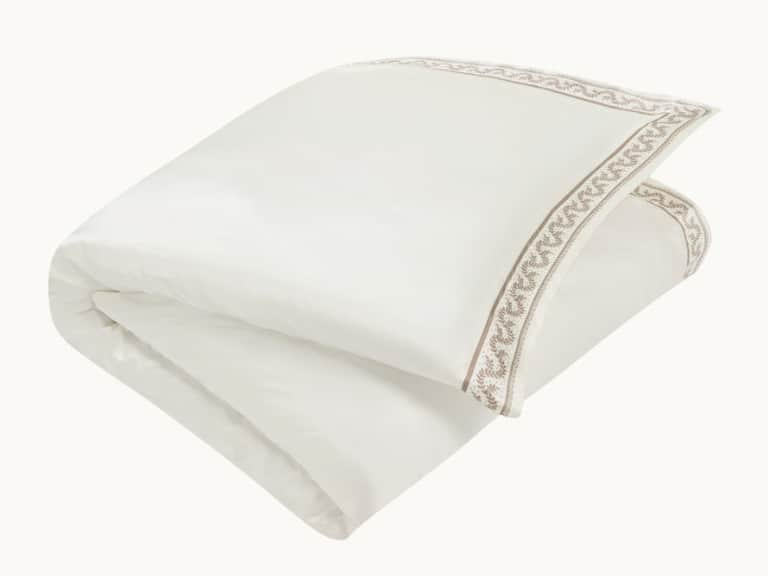
Color and pattern are worth considering after the practical questions. A pale or dark shade may affect the look of a bedroom, but the more important issue is whether the color suits bedding you already own. If you are building a set gradually, a versatile neutral can be easier to coordinate. Printed or bordered designs can make a bed feel more finished, though they may call for extra attention to laundering instructions.
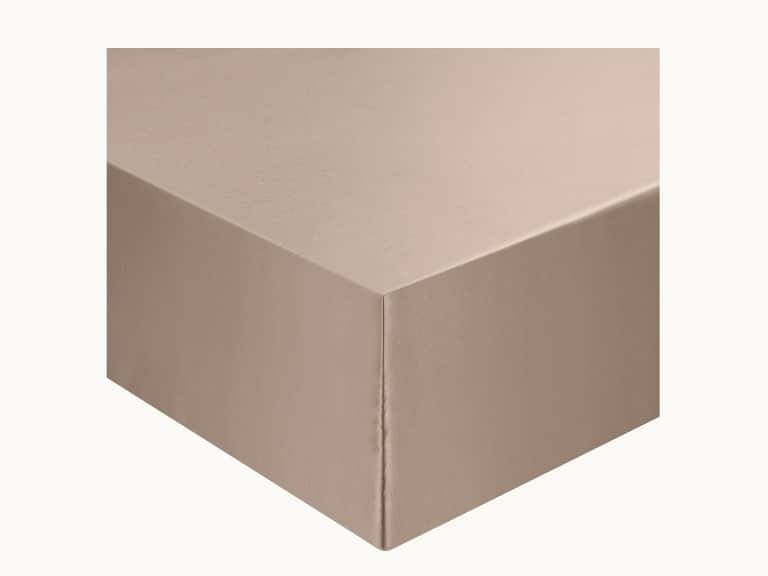
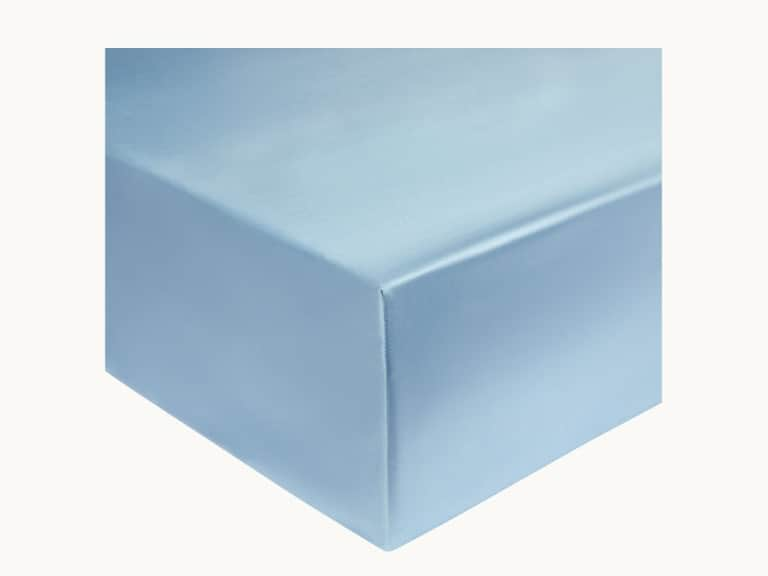
For example, the Mocha Silk Fitted Sheet is described as 100% mulberry silk with a 22-momme weight and an elasticized edge. The Summerhill Blue Silk Fitted Sheet is also listed as 100% mulberry silk and 22 momme, with a stated pocket depth of 35 centimetres. These specifications illustrate why it pays to read beyond the product name: weight, fiber composition, and fit details answer different questions.
Flat versus fitted: the practical choice
Choose a flat sheet for flexibility
A flat silk sheet is a rectangular layer with no elasticated corners. It can be tucked under the mattress, folded back, or used as a lightweight cover on its own. Because it is not shaped around a particular mattress depth, it offers flexibility across different bed setups. Its dimensions still matter: a sheet that is too narrow may not tuck securely, while one that is very generous may require more careful folding.
Flat sheets suit people who like to adjust their bedding during the night or who want a layer they can use in more than one way. They may take a little more attention when making the bed, especially if you prefer crisp, even corners. As with any silk bedding, a smooth, delicate fabric can shift more readily than a heavier or textured alternative, so your preferred tuck and layering method may take some experimentation.
Choose a fitted sheet for a close mattress fit
A fitted silk sheet can make daily bed-making simpler. Its elasticated edges are intended to hold the sheet around the mattress, reducing the need to tuck fabric at the foot and sides. The key specification is pocket depth: the distance from the sheet’s edge to the corner seam that accommodates the mattress.
Measure the mattress and topper together, then compare that total with the sheet’s stated pocket depth. Allow enough room for the sheet to stretch over the corners without being forced. A pocket that is too shallow can pull away or place strain on the seams; one that is much deeper than needed may leave excess fabric that does not sit neatly. Brand sizing and how a particular sheet is cut can vary, so check the dimensions rather than relying on a general label such as “deep” or “standard.”
If the listing does not provide pocket depth, ask the seller before ordering. This small piece of information can prevent a frustrating mismatch, especially with a tall mattress or topper. Also confirm whether the measurements use inches or centimetres, and compare them with your own measurements in the same unit.
Care begins with the label
Silk is a natural fiber, but that does not mean every silk sheet should be washed in the same way. The care label for the specific item takes priority over general advice. Some sheets are labelled for a delicate machine cycle, while other silk products may call for hand washing, professional laundering, or dry cleaning. A sheet’s dye, finish, stitching, and construction can all influence its care instructions.
Where machine washing is permitted, a cautious routine is usually the sensible choice: use a delicate cycle, cool water at the temperature specified on the label, and a small amount of mild detergent suitable for silk. Avoid bleach and harsh stain treatments unless the care instructions explicitly allow them. If you are unsure about a detergent, test it on an inconspicuous area only when the manufacturer’s guidance permits, or contact the seller.
Keep silk separate from rough, heavy, or abrasive items that might snag the fabric. Fasten zippers and hooks on other laundry, and consider turning sheets inside out when the care instructions recommend it. Overloading a washer can increase friction and creasing; an uncluttered, gentle wash gives delicate fabric more room.
Air drying is often recommended for silk bedding. Follow the product label, keep the sheet away from intense direct heat, and do not wring or twist it to remove water. A cool iron may be suitable for restoring a smooth finish, but check the label and use the specified setting. If a product requires professional care, do not assume that a home wash is an equivalent shortcut.
Small habits can also help preserve the fabric between washes. Rotate bedding when you have more than one set, handle it with clean hands, and store it dry and away from direct sunlight. Address spills promptly, but avoid aggressive rubbing, which can affect both the fibers and the surface. Gentle, consistent care is more reliable than trying to rescue a sheet after a harsh treatment.
Common buying mistakes to avoid
- Choosing by momme alone. Weight is a useful comparison, but composition, weave, construction, and care instructions help complete the picture.
- Ignoring mattress depth. A fitted sheet’s pocket must accommodate the mattress and any topper, not just the mattress width and length.
- Assuming “silk” means the same thing everywhere. Check whether the product is pure silk or a blend, and read the stated composition.
- Overlooking laundry requirements. A sheet that needs delicate handling may not suit a household seeking an entirely routine wash-and-dry cycle.
- Expecting silk to perform like cotton. The fibers feel and behave differently. Consider your preferences for surface texture, maintenance, and how bedding layers together.
- Relying on broad claims without checking the details. Specific dimensions and care instructions are more useful than vague labels such as “all-season” or “easy-care.”
A quick decision checklist
Before you buy silk sheets, use this short checklist to bring the decision back to practical details:
- Measure the mattress, including any topper, and note the total depth.
- Decide whether a flat sheet’s flexibility or a fitted sheet’s close, elasticated fit better suits your routine.
- For fitted sheets, compare the listed pocket depth with your measurements.
- Check whether the sheet is 100% silk or a blend, and confirm the stated type of silk where available.
- Use momme weight as one point of comparison, not as a complete measure of quality.
- Read the care label before purchase and decide whether the recommended routine works for you.
- Review dimensions, return terms, and any questions about construction before placing an order.
The decision is in the details
Silk sheets are easiest to choose when the decision is broken into parts. Momme weight offers a reference for fabric density; it does not replace a close look at construction. Flat and fitted styles serve different routines. Pocket depth can determine whether a fitted sheet stays put. And care instructions help show whether a particular sheet will fit your household as well as your bed.
Compare those factors before focusing on the finish or color. A well-matched sheet is not simply the one with the highest number or the most elaborate description. It is the one whose material, dimensions, feel, and upkeep make sense together—and whose care label you are prepared to follow.